What is Havening Techniques®?
Havening Techniques® is a trauma informed, neuroscience based approach designed to help the brain and nervous system reduce distress and restore a sense of calm and safety.
It is often used when stress responses feel stuck, intense, or difficult to shift through talking alone.
How Havening works
Havening uses gentle, rhythmic touch on areas such as the arms, face, and hands, alongside simple attention and distraction techniques.
This sensory input sends calming signals to the brain and supports the production of neurotransmitters such as serotonin and GABA. As the nervous system settles, the brain may generate slower delta brain waves, which are associated with rest, repair, and emotional processing.
During this process, the emotional charge linked to certain memories or experiences can soften. The memory itself remains, but the intensity of the emotional response often reduces.
What Havening may help with
Havening Techniques® may support people experiencing:
anxiety and emotional overwhelm
stress and burnout
rumination and intrusive thoughts
phobias and panic responses
unresolved emotional residue from past experiences
difficulty regulating emotions
performance stress in work, sport, or creative pursuits
Individual experiences vary, and this work is always approached gently and at the client’s pace.
What a Havening session feels like
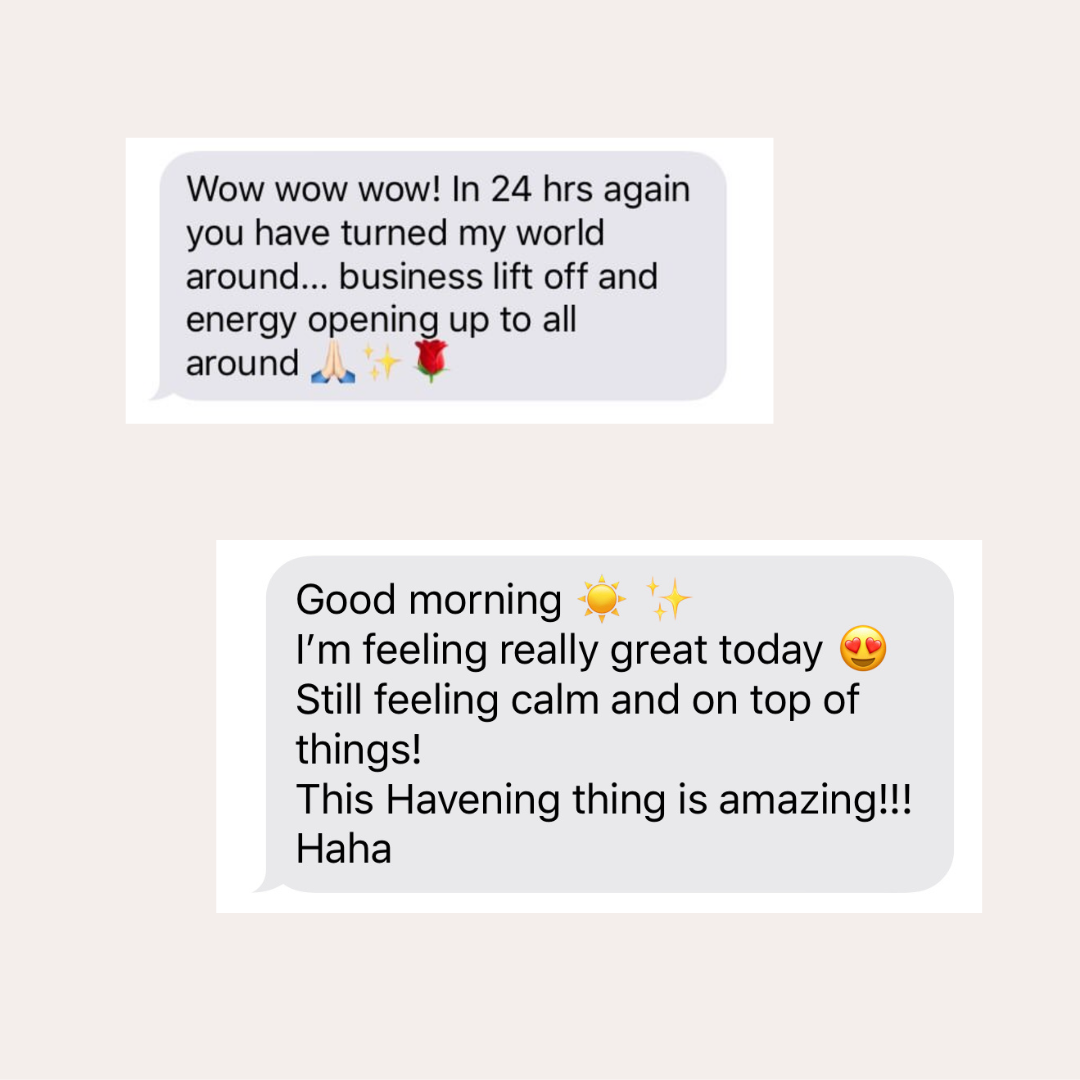
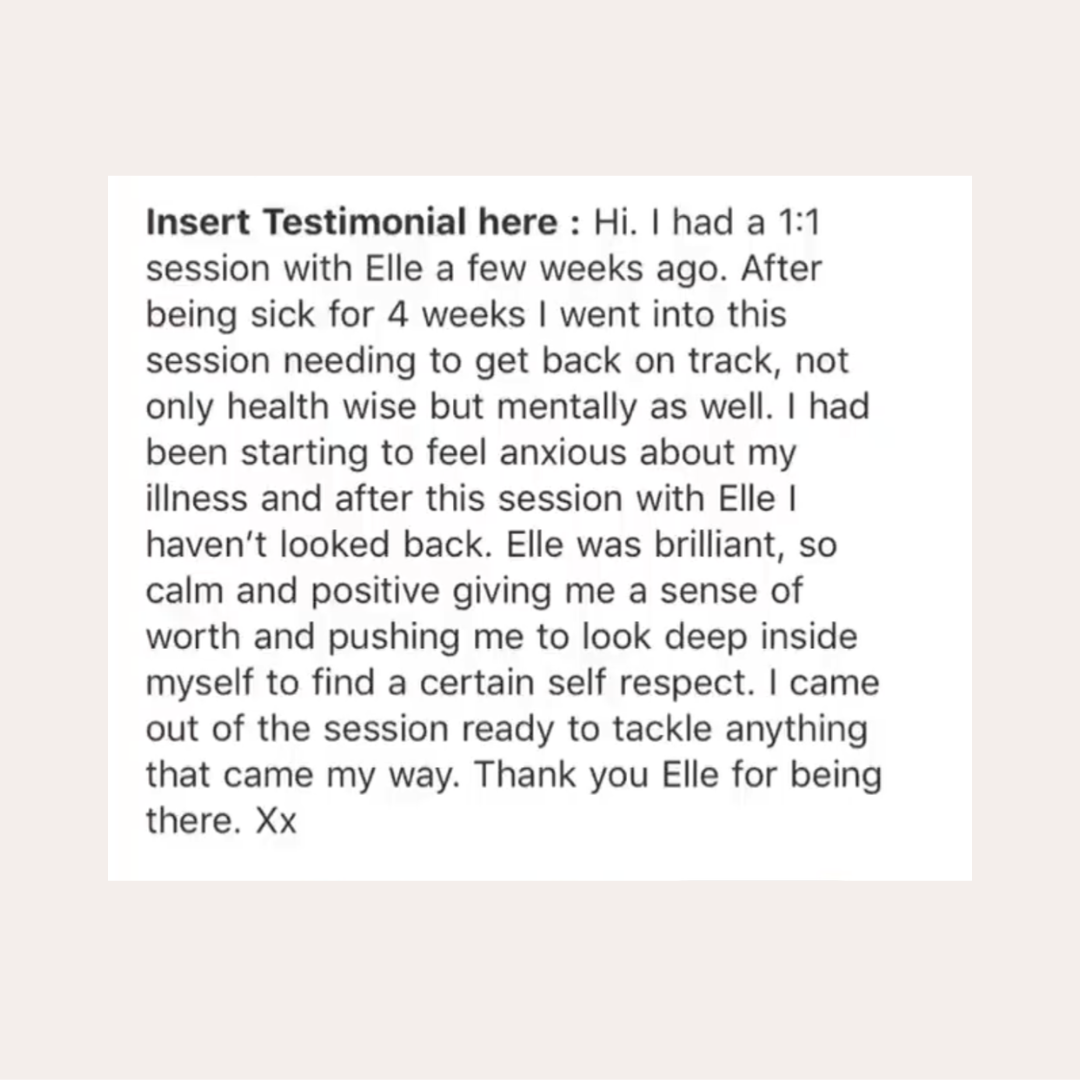
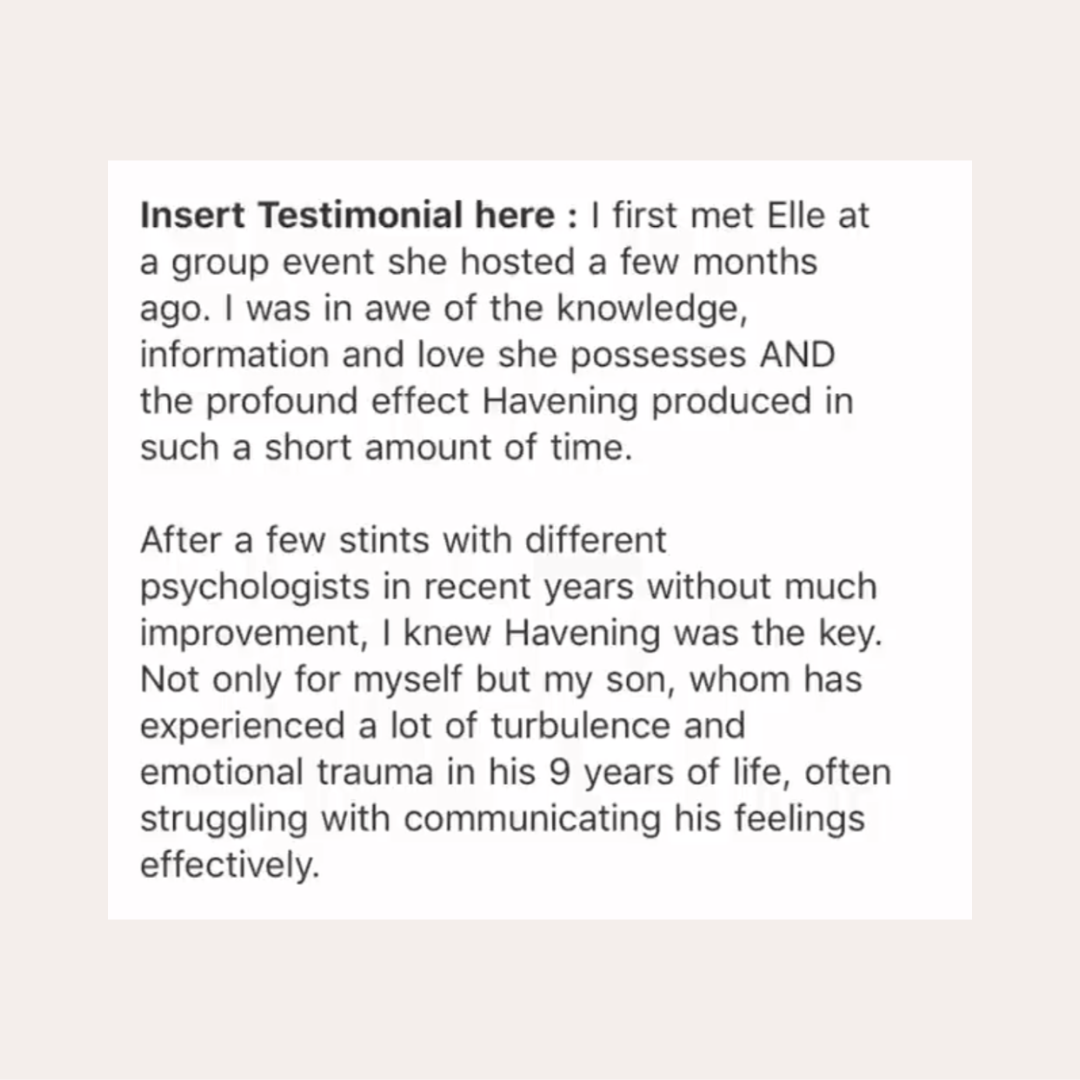
Many people describe Havening as calming, grounding, and soothing. Some notice a sense of lightness or emotional relief, while others experience increased clarity or regulation over time.
There is no need to relive or retell distressing memories in detail for the process to be effective.
After a session
Following a session, some people notice immediate changes, while others experience gradual shifts in the hours or days that follow.
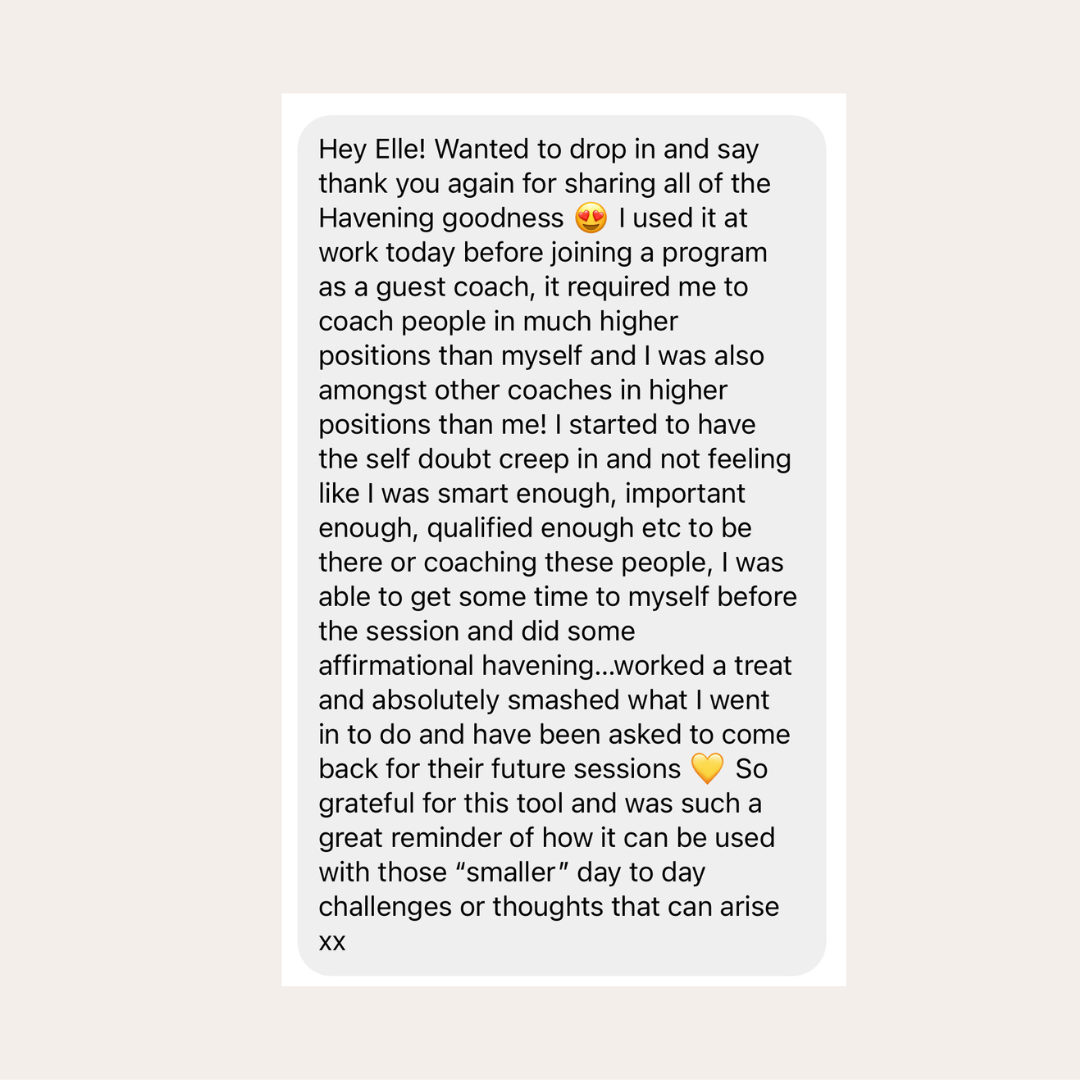
You may feel calmer, less reactive, or more settled in your body. Simple tools may also be shared to support ongoing regulation between sessions.
Sessions
Havening sessions are available online via Zoom or in person on the Gold Coast.
Sessions typically run for 90 -120 minutes and are tailored to your needs.
About the creators
Havening Techniques® was developed by Dr Ronald A. Ruden, MD, PhD, and Steven J. Ruden, DDS, ICF/ACC. The approach is grounded in neuroscience and psychosensory research.
For those interested in the scientific literature, you can explore further via the official Havening website.
Self Havening
Self Havening is a gentle self soothing practice that uses the same principles of touch and sensory input.
Some clients are taught Self Havening as a support tool for:
emotional regulation
stress management
daily nervous system care
More complex emotional work is best guided by a trained practitioner.
Learn more
For peer reviewed articles and further reading, visit havening.org.
If you are feeling unsure whether Havening is right for you, you are welcome to book a complimentary call.

Since 2016
My journey with Havening began in 2016 when I experienced a profound personal transformation using this powerful technique. After overcoming c-PTSD, I discovered a renewed sense of purpose and dedicated my life to sharing Havening with others.



For more details of the science behind the work, please visit http://havening.org/about-havening/articles. If you have any questions, send inquiries to: info@havening.org
Other resources:
The recently published scientific paper establishing the mechanisms of Havening, click here - ‘Harnessing Electroceuticals to Treat Disorders Arising From Traumatic Stress: Theoretical Considerations Using A Psychosensory Model’ by Dr Ronald Ruden.
The first published click here - clinical trail of Havening, measuring the impact of a single session of Havening.